
What to check before you visit, what to look at when you're there, and how to avoid mistakes when choosing a kitten
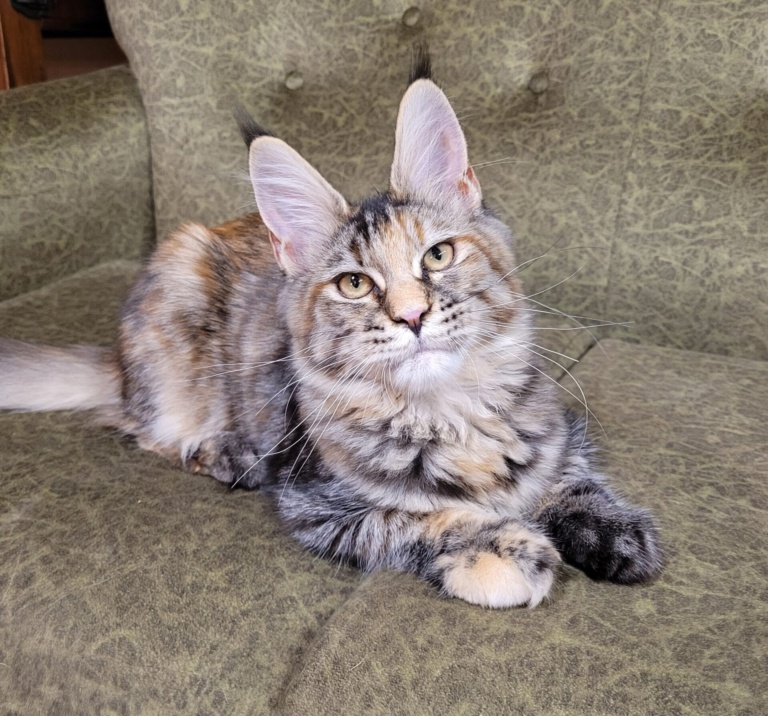
Serious catteries spend years and a great deal of money finding show-quality breeding cats in different countries. That is why breeders don't mate their cats with just anyone: they protect the cattery from infections, including those passed on through mating.
A cattery is run by certified felinologists: people who know the breed standards, genetics and veterinary care. They choose each pairing carefully so that the kittens inherit the best of both parents. Mating two pedigree Coons isn't enough: without proper breeding work, a few generations later you won't be able to tell a cat with papers from an ordinary moggie.
The cattery should be registered with FIFe, WCF or TICA. The breeder must be able to show you a certificate with the registration number.
The club oversees breeding: it runs shows, inspects and registers litters, and issues pedigrees. Don't be shy about calling the club to check on the cattery.
Give the kitten's date of birth, sex and colour and the parents' names. Check the cattery's address too, so you don't end up visiting scammers who use someone else's name.
Look at photos of the kitten's parents: you should recognise them when you see them in person. Experienced breeders keep their cattery pages up to date, with recent photos and news about kittens and graduates.
A good breeder keeps advising you after the sale. Years of experience count for more than any article online, and new owners always have endless questions in the first weeks.
If the breeder dodges questions about the cattery's registration or the club's contact details, that's a warning sign before you even set off.
Don't agree to meet at a metro station, outside a block of flats or in the street. Go to the cattery and see how the cats are kept. Don't take the kitten straight away: watch it for at least 30 minutes.
Self-respecting catteries, which buy the best breeding cats from around the world or already have SHOW-quality cats of their own breeding, take great care of their health. It's a huge financial investment: years spent searching for a top-class male, years waiting for his kittens, and more years before those kittens go to shows! That's why breeders don't mate their males with just anyone: they're afraid of bringing infections into the cattery. Meanwhile, the owner of a single female looking for a male to mate her with often ends up with one who mates with anyone and carries the most dangerous viral diseases. And almost all viral diseases are passed on through mating. That's why catteries mate their females with their own males, which are closed to outside matings!
A cattery is run by certified felinologists who don't just know the breed standards but also study cat genetics, veterinary care and much more. They work with the breed, choosing its best cats, and plan each mating so that the kittens take only the best from their parents. It's a mistake to think that mating two pedigree Maine Coons is enough to get a beautiful, correct Maine Coon. Sadly, it isn't. If breeders didn't work on the breed and simply paired cats without a second thought, you would long ago have stopped being able to tell a moggie in the street from a Coon with papers.
So, naturally, the question is: how do you find the right cattery?
I'll do my best to explain what to look for when choosing a cattery, and the kitten itself of course, and the main mistakes buyers make. I hope this helps you choose a healthy pedigree kitten who will bring you joy and become part of your family. But don't forget how much it matters to choose a knowledgeable breeder to buy your pet from.
First, make sure the cattery is registered with a recognised feline organisation, ideally FIFe, WCF or TICA, the most respected international feline systems. The breeder should show you the cattery certificate with its registration number.
A cattery must also belong to a club, whose main job is to oversee its members' breeding. The club organises shows, holds breeding assessments, inspects and registers litters and issues pedigrees. Before you buy a cat from a cattery, you can contact the club it belongs to and ask about it.
Don't be shy about calling the club: keeping an eye on catteries is exactly what it's there for. You can check whether the litter really exists by giving the kitten's date of birth, sex and colour and the parents' names. The club should also have the cattery's contact details and address. It's best to check those with the club as well, so you don't go to an address used by scammers who have nothing to do with the cattery.
Try to look at the breeder's website too, and be sure to look at the parents of the kitten you like, so you'll recognise them in person. See whether there's a social media page. Experienced breeders use them a lot these days: on the cattery's pages you'll find current information about kittens for sale, fresh photos and news. If the breeder stays in touch with buyers after they take a kitten home, there will probably be news about the cattery's graduates and their owners, and you can ask them about the breeder.
Notice how willing the breeder is to help and advise you later on raising and caring for the kitten. Don't assume this doesn't matter because you'll find all the answers online. Sadly, the internet doesn't always have the right information, and a breeder's years of experience beat any website. You may need that experience badly. In the first weeks after buying a kitten, new owners have a flood of questions they never even thought of.
Ideally, check all of this before you go to see the kitten. After a few questions about the cattery's registration, its certificate and the club's contacts, you may find you're no longer invited to visit.
When you get to the cattery, your job as a responsible buyer choosing a new family member is to see how the cats are kept. Don't settle for easier options like meeting at a metro station, in the street or outside a block of flats. Don't grab the kitten straight away: watch it for at least 30 minutes. Impulse buys are fine in a supermarket, but not when you're choosing a member of the family.
What to look out for when checking a kitten:
Almost all of these point to viral infections. Excuses like "he's sneezing because he caught a chill" or "it's an allergy, that's why his eyes are running" can lull you into a false sense of security. But I'd rush a kitten like that to the vet for tests, or better still, I'd take the trouble to find another kitten rather than take the risk.
If you decide to buy the kitten anyway, despite symptoms or anything odd, the treatment that follows may cost you more than the kitten did. And not only in money. Here is what a responsible breeder should do:
The breeder won't let you near the kittens in your shoes or with unwashed hands. Buyers usually visit more than one breeder and can bring any viral disease in on their shoes and hands.
The breeder will only let the kitten go once it has had the necessary vaccinations and the quarantine period after them is over.
The breeder must give you a completed vet passport with all the necessary entries, and a sale contract filled in in front of you.
Every kitten must have a pedigree, and the breeder should hand it over if you ask. REMEMBER: a kitten bought without papers has no known ancestry. You might as well pick up a kitten on the stairs of a block of flats. There's no guarantee of breed quality, health or freedom from genetic defects.
The breeder should give you everything you need for the first days: some used litter that smells of the kitten, to help with litter training, and food to start with if you haven't already bought the food the cattery uses. Changing food suddenly isn't recommended, especially after a move. Moving to a new place is stressful enough for an animal as it is.
A knowledgeable breeder won't tell you to bath the cat in Fairy washing-up liquid or feed it Whiskas, or give any other advice that is ignorant and, worse, harmful. Run from a breeder like that straight away: your kitten didn't get what it needed at the most important stage of its growth and development, and you'll run into a whole series of problems as it grows up. A good breeder will give sound advice on feeding, training and care. Try to listen to what the breeder tells you. Your responsibility doesn't end when you buy the kitten. Nor does the breeder's.
There's an article on this page of our site about a kitten's first days in a new home. It's a very important time, because buyers are often very casual about it, remembering the moggies of their childhood that nothing could faze. You've bought a pedigree animal that needs a particular kind of care and handling! You shape your kitten's character just as much as we do: it's all feline behaviour psychology. A responsible breeder will always help you settle your pet into its new life properly.
This matters a lot: if you notice signs of illness in a kitten at the cattery, or you have a dispute with the breeder, try to let the breeder's club know. If you see animals kept in unsanitary conditions, call the club's chairperson: the club is obliged to inspect the cattery. Don't let unscrupulous backyard "breeders" make money from defenceless animals by churning out sick, poor-quality kittens.
When you buy a kitten without papers, you don't only risk ending up with a sick cat, one with some abnormality or an aggressive one (remember the size of a Maine Coon's claws). You're also encouraging dishonest "entrepreneurs" to keep their "business" going.
Good luck with your choice!