
Why vaccinations matter, how often to give them and what to know before you go to the vet

Many people think an indoor cat that never goes outside doesn't need vaccinations. That's a mistake. Viruses are practically everywhere: you can bring an infection in on the soles of your shoes. Street animals leave traces of their secretions (saliva, urine, faeces) on the pavement and in the soil, and you carry that soil home. That is exactly why even a strictly indoor cat needs vaccinating.
A vaccination introduces either a serum containing antibodies or weakened disease agents into the body, so that the immune system "remembers" the virus and destroys it quickly if it ever meets the real thing.
From 8 weeks if the kitten's mother isn't vaccinated. From 12 weeks if she is (her antibodies protect the kitten for longer).
The same vaccine is given again (1 dose). Immunity develops 14 days after the second injection.
No booster needed. From then on, vaccinate once a year, at the same time each year.
Once a year, with no repeat dose 3 weeks later. An adult cat doesn't need a booster.
Ten days before vaccination the cat is dewormed and treated for fleas and ticks. Parasites weaken the immune system: a kitten that has been vaccinated but has worms may not produce enough antibodies. This is called "post-vaccination immunity breakthrough".
Kittens get antibodies from their mother's milk. The first vaccination is given when there are no longer enough of them to protect the kitten. The second is given when the mother's antibodies have almost gone and the immunity needs to be "locked in". An adult cat vaccinated for the first time doesn't need a booster.
Technically yes, but we recommend only a state-licensed clinic. If a vet comes to your home, they must bring an ice pack: the vaccine can only be kept refrigerated. Breaking the cold chain makes the vaccine useless.
Yes. Viruses travel on people's shoes, clothes and hands. Stray cats leave traces on the pavement outside your building, and you bring that home. The only reliable protection is vaccination.
Keep an eye on the cat for a few hours. Slight lethargy on the first day is normal. If you see severe weakness, vomiting, swelling at the injection site or a high temperature, go to the vet immediately.
An inactivated vaccine made from strains of the panleukopenia, rhinotracheitis and calicivirus viruses and of chlamydia. It has a good track record, and it's the one Home in Raksi uses for its own cats.
Kittens get their first dose at 8–12 weeks and the second 21–28 days later. Immunity develops 14 days after the second dose and lasts for 1 year.
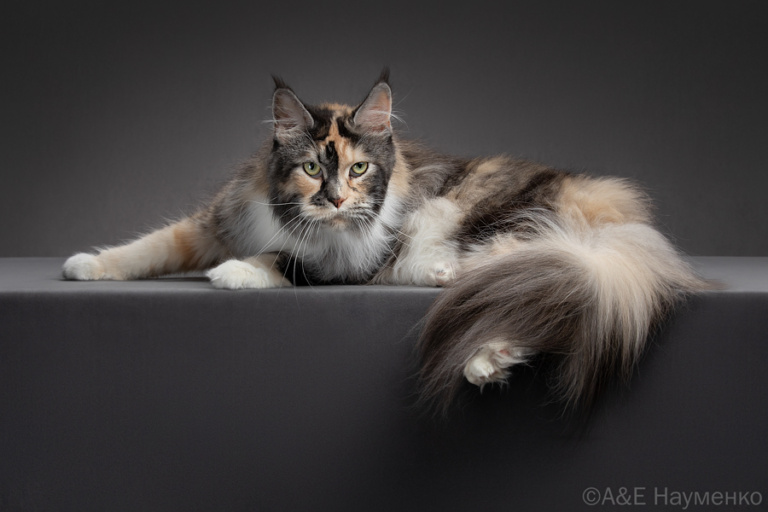
Have your animals vaccinated only at specialist clinics with a state licence. Vaccinations are recorded in the vet passport, which is a required document for travel and shows.
Vaccination is one of the ways of fighting infectious diseases. A healthy animal is given either a serum made from the blood of other immunised animals, containing substances that destroy the disease, or a vaccine made from neutralised (weakened) live disease agents, which stimulate the body to build immunity. Many cats live a strictly indoor life in a flat, never go out for walks and never meet other cats. So there's a common belief that such a cat simply has nowhere to catch an infectious disease.
That belief is wrong, though. You can bring an infection into your home even on the soles of your shoes: viruses are practically everywhere, and unvaccinated animals walk the streets, including strays, which often carry various diseases. Disease agents get into the soil with their secretions (saliva, urine, faeces), and you carry that soil home on your shoes. That is exactly why even a strictly indoor animal needs vaccinating.
Kittens are first vaccinated at no less than 8 weeks old, followed by a booster three weeks later, but not before three months of age. After that the cat is vaccinated every year at the same time, with no booster. If the kitten's mother is vaccinated, the kitten can be vaccinated from 12 weeks. Only clinically healthy animals are vaccinated (a vet's examination is essential). Ten days before vaccination the animal must be dewormed and treated against external parasites (fleas, ticks). After the vaccination, keep an eye on the animal's condition for a while and see a vet if necessary.
A booster is one dose of the vaccine given 3–4 weeks after the main vaccination. Here's why it's done. Kittens get antibodies from their mother's milk, and these protect the little ones from viruses. The first vaccination is given while those antibodies are still in the body but are no longer enough to protect it. The second is given when the mother's antibodies have almost completely gone, and the antibodies from the first vaccination alone aren't enough protection. So if you give a cat its first vaccination as an adult, there's no need for a booster.
It's done so that the kitten builds strong immunity. Illness and parasites weaken the immune system, so too few antibodies may be produced, and then even a vaccinated kitten can fall ill. This is called "post-vaccination immunity breakthrough".
Note that the vaccine must be kept in a fridge. If a vet comes to your home, they should have an ice pack with them.
For our part, we recommend vaccinating animals only at specialist clinics that hold a state licence.
We vaccinate our own cats with a Russian-made vaccine that has an excellent track record and works very well.
Multifel-4 is made from inactivated strains of the panleukopenia, rhinotracheitis and calicivirus viruses and strains of feline chlamydia. Kittens are first vaccinated at 8–12 weeks old and again 21–28 days after the first dose. Vaccinated kittens become immune 14 days after the second dose, and the immunity lasts for 1 year. After that, cats are vaccinated at 1 year old and then every year.