
Your kitten has moved in: what happens and what to do in the first hours, days and weeks
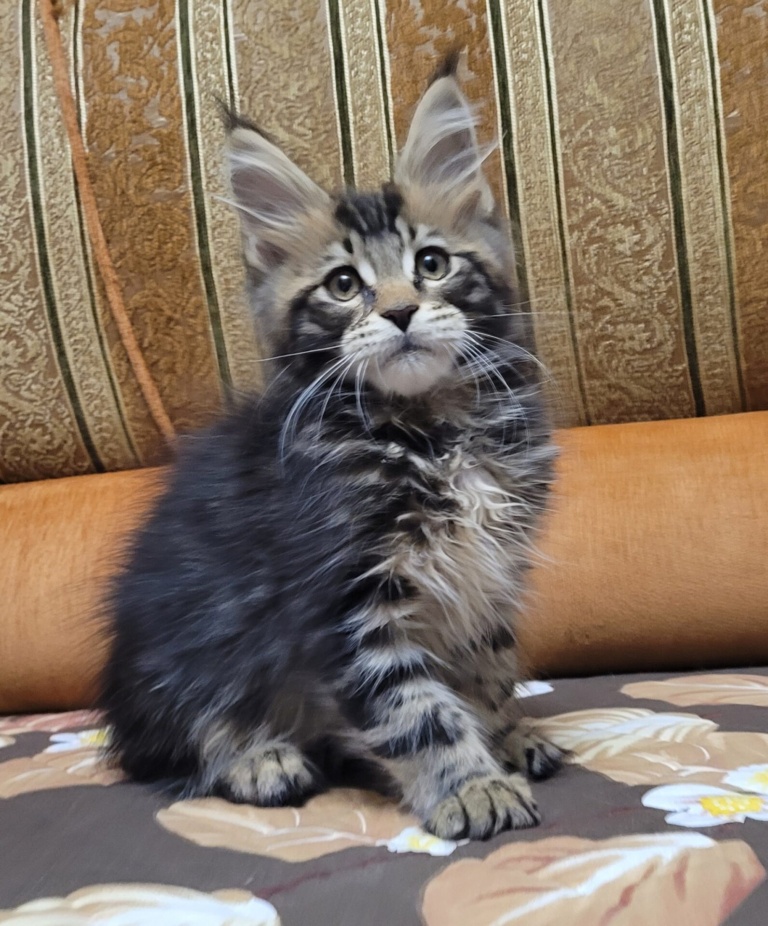
"The best thing is to take a few days off to be with the kitten and not leave it alone. Maine Coons don't cope well with being alone, and having you there in the first days really matters."
At first, feed the same food the cattery used. A sudden change of food on top of the stress of moving is a double load on the stomach. If you want to switch to a different food, do it gradually over 1–2 weeks.
Water should always be available and be changed twice a day. Put the water bowl at least a metre from the food: Coons don't like their food and water close together.
That's normal on the first day. Don't pull it out by force; give it time. Leave a little food and water near its hiding place. By the evening of the first day, most kittens are already starting to explore the flat.
Vomiting once or a soft stool on the first day is stress from the move. If it goes on for more than 24 hours, there's blood, or the kitten is lethargic, go to the vet immediately and call the breeder.
And so the day has come when your kitten moves into your home. The best thing is to take a few days off so you can be with the kitten and not leave it on its own. Maine Coons cope very badly with being alone. They're sociable and curious, so the first thing they'll do once they're down from your arms is explore the room they find themselves in.
Don't introduce the kitten to the whole flat it's going to live in straight away. First show it one room, the one where you and your kitten will sleep, at least until it gets used to its surroundings. It's best to put the litter box in that same room so the kitten doesn't get lost in a big space that's new to it. While getting ready for the kitten, you'll have bought a litter box and found out which litter it's used to. Our kittens and adult cats use wood pellet litter. You can switch to another litter in time, but not on the first day.
Read the care guide you received with the kitten carefully and follow its feeding advice to the letter. Check which dry food the kitten is used to. Don't change anything in its diet: the kitten has enough changes in its life already.
A new home, people it doesn't know yet, and no strict but loving mother cat, no brothers and sisters it's used to playing with. For a few days the little one will be studying you, looking into your eyes and reading how you feel about it. At first the kitten will be exploring the rest of its new home. Hold it often, talk to it, call it by its name and play with it.
You've taken on a big responsibility.
Before long you'll have a place in your kitten's heart for ever. It will love you boundlessly, talk to you, look into your eyes and always be by your side. Maine Coons have a particularly gentle nature: they're playful, get on wonderfully with children and adapt easily to their surroundings.