The kitten owner's journey

The road to your kitten: from first thought to life together

Eleven stages every future Maine Coon owner goes through. For each one: what to decide, what to read, what to check and ask, the most common mistakes, and when you're ready to move on.
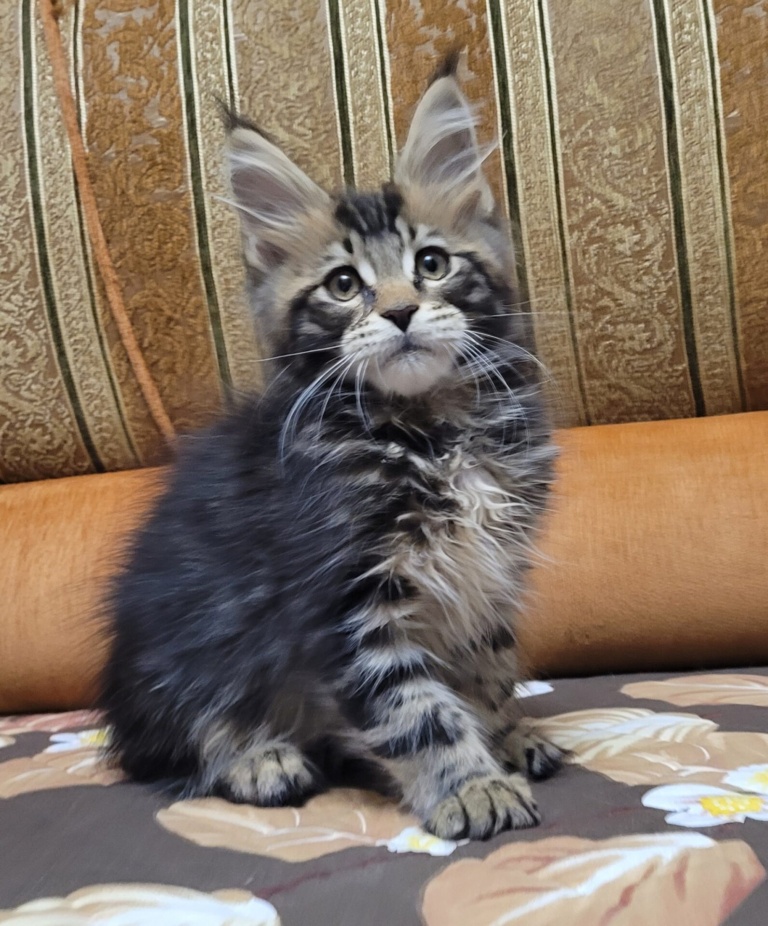
A Maine Coon kitten on the sofa in its new home

Route map

Decision
Search and choice
The move
Life together
Stages completed: 0 of 11
Tick the boxes at the end of each stage. Your ticks are saved in this browser only.

How each stage works

What to decide
questions to answer for yourself
What to read
articles and pages on the topic
What to check and ask
yourself, the cattery, the vet
Common mistakes
what to avoid at this step
Outcome of the stage
when you can move on
01

Work out why you want a kitten

Before you pick a colour or a cattery, be honest with yourself about what you want from a cat. That decides whether a Maine Coon is right for you at all.

What to decide

  • What you're hoping for: an affectionate companion, a calm housemate, a friend for the children or a future show cat.
  • Why a Maine Coon rather than another breed or a non-pedigree cat.
  • Whose wish it is, yours alone or the whole family's, and who will be the cat's main person.

What to read

What to check and ask

  • Are you ready for a cat to be with you for 12–16 years, through house moves, new babies and job changes?
  • What draws you: the looks in the photos, or the breed's temperament and way of life?
  • Have you seen adult Maine Coons in real life, at a show, a cattery or a friend's home?
  • How would you feel if the cat turned out quieter, louder or more independent than you expected?

Common mistakes

  • Getting a kitten as a present, or on impulse after a cute video.
  • Expecting a cat "the size of a lynx": a healthy adult male weighs 6–9 kg, a female 4–6.5 kg.
  • Judging the breed by one cat you know or by photos.
  • Thinking a big cat must be a couch potato: Maine Coons stay playful for a long time.

Outcome of the stage

You can explain in two or three sentences why you want a cat and why a Maine Coon, and your family agrees.

You can move on when:
Ticked 0 of 3
02

Decide to get a cat

You want a cat. Now check whether you have the time, money, space and energy for one, not just for the first few months but for years to come.

What to decide

  • Who feeds, grooms, cleans the litter box and goes to the vet, and who covers during holidays and business trips.
  • How much a month you can spend on the cat, and how much to keep aside for vet bills.
  • Where the litter box, scratching post, sleeping and play spots will go, and whether you can fit screens on the windows.
  • How a cat fits your family plans: a baby, a move, renovations, other pets.

What to read

What to check and ask

  • Is anyone in the family allergic? Spend a few hours around adult cats and talk to an allergist.
  • If you rent, does your tenancy agreement allow pets?
  • Do you accept the rules responsible catteries set: the cat lives indoors, no cage, no unsupervised roaming, no declawing?
  • Who will take the cat if you go away for a long time or fall ill?

Common mistakes

  • Testing for allergies after you've bought the kitten.
  • Counting only the price of the kitten and forgetting food, litter, the vet and grooming.
  • Expecting the cat to keep itself busy when nobody is home for 12 hours at a time.
  • Putting off window screens until later.

Outcome of the stage

The whole family has decided, you know your budget, and you know where and how the cat will live.

You can move on when:
Ticked 0 of 3
03

Choose where to look for a kitten

Maine Coon kittens are sold by catteries, unregistered breeders and resellers on classifieds sites. This guide is only about professional catteries: they're the only ones where a kitten comes with a pedigree, tested parents and a contract.

What to decide

  • What you need: a kitten with proven ancestry, or just one that looks like a Maine Coon.
  • Whether you're willing to wait for a kitten from a good pairing rather than take whoever is available today.
  • Where you're prepared to collect a kitten from: your own city or another region.

What to read

What to check and ask

  • Is the cattery registered with a cat federation, and under what number?
  • Does the cattery have a website, a history, and pages for its breeding cats with test results?
  • Will the kitten come with a pedigree and a contract?
  • Can you visit and see where the cats live?

Common mistakes

  • Choosing on price alone.
  • Believing "no papers, but the parents are purebred".
  • Sending money in response to an ad without seeing either the kitten or the seller.
  • Thinking a pedigree only matters for shows: first and foremost it proves where the kitten comes from.

Outcome of the stage

You're only looking at registered catteries, and you understand why a pedigree kitten costs more than one from an ad.

You can move on when:
Ticked 0 of 3
04

Choose a cattery

The cattery shapes how your kitten turns out: the parents' health, living conditions, time with people, an honest contract. Choose the people, not just the kittens.

What to decide

  • What matters more to you: the parents' show success, or their temperament and health.
  • Whether you can visit the cattery in person, and if not, how you'll get to know it.
  • Which contract terms you won't do without.

What to check and ask

  • Where do the cats live: in the house with people, or in cages and a separate building?
  • Which genetic tests and heart scans do the parents have? Can you see the reports?
  • How often do the queens have litters, and how many litters does the cattery have a year?
  • How long has the cattery been going, where do its kittens live now, and what do their owners say?
  • Does the breeder stay in touch after the sale?

Common mistakes

  • Choosing by pretty photos without asking a single question about health.
  • Reading reviews only on the cattery's own website and not looking up its kittens on social media.
  • Not being wary when the breeder rushes you into a decision or a deposit.
  • Not asking whether you can visit.

How it works with us

The Raksi Line*RU cattery has been registered with FIFe since 18 October 2012 and with WCF under number 4079-2013. The cats live in the house with us in Vsevolozhsk, about 10 km from St Petersburg. HCM, PKdef and SMA test results and heart scans are on the pages of our males and females. See how the cattery is set up and the outdoor enclosures, and read the reviews and titles.

Outcome of the stage

You have one or two catteries you trust: you've seen the conditions and the parents' documents and talked to the breeder.

You can move on when:
Ticked 0 of 3
05

Choose a kitten

The right kitten for you isn't necessarily the biggest or the most striking. What matters more is that its character suits your family.

What to decide

  • Male or female. Males are bigger, but two kittens from different litters usually differ in character more than a male and a female do.
  • A pet kitten, or one with breeding rights.
  • How much the colour matters: enough to wait for a future litter?
  • Take an available kitten now, or join the waiting list for a litter.

What to check and ask

  • How does the kitten behave with people: does it come to you, play, or hide all the time?
  • Are the eyes, ears, nose and fur under the tail clean, and is the tummy free of bloating?
  • What are its parents like?
  • Tell the breeder how you live and ask which kitten in the litter would suit you.
  • If you can't visit, ask for fresh photos and videos.

Common mistakes

  • Choosing only by colour, or from photos of a one-month-old kitten.
  • Taking the quietest one out of pity, or the boldest, without asking the breeder.
  • Thinking a pet-class kitten is inferior: it's a kitten for a home without breeding rights, not a reject.
  • Asking to take the kitten before three months.

How it works with us

Available kittens and prices are on the Kittens page, and upcoming pairings on Breeding plans, where you can also reserve a kitten in the colour you want. The colour calculator shows which colours a pairing can produce, and Colour codes explains what the letters in a colour code mean.

Outcome of the stage

You've chosen a specific kitten together with the breeder, and you know why that one.

You can move on when:
Ticked 0 of 3
06

Check everything before you buy

Before paying a deposit, read the contract and check the documents. Everything agreed should be in writing, not just promised.

What to decide

  • Whether you're happy with the reservation terms: how long it lasts and what happens to the deposit if plans change.
  • When and where you collect the kitten.
  • Whether you accept the owner's obligations under the contract.

What to read

What to check and ask

  • Do the name, date of birth and microchip number match in the pedigree, the vet passport and the contract?
  • Which vaccinations and parasite treatments have been done, and when are the next ones due?
  • How many days do you have for a vet check, and what happens if an illness is found?
  • Which food and litter does the cattery use?
  • What does the contract say about breeding, neutering and resale?

Common mistakes

  • Paying a deposit without a contract or a receipt.
  • Signing the contract without reading the clauses on returns and guarantees.
  • Accepting "we'll send the pedigree later".
  • Not asking what happens if the kitten falls ill before the move.

How it works with us

A kitten is reserved with a deposit and a contract; its status then changes to Reserved and it isn't offered to anyone else. Kittens going as pets leave already neutered. After the handover you have 5 calendar days to have the kitten checked at a licensed vet clinic. You can read the contract (in Russian) in advance.

Outcome of the stage

You've read the contract, you understand the terms, the kitten is reserved, and the handover date and place are agreed.

You can move on when:
Ticked 0 of 3
07

Get ready for the move

While the kitten grows up at the cattery, get your home ready. By moving day everything should be bought, in place and safe.

What to decide

  • Which room the kitten will spend the first days in: a quiet one, with closed windows and no dangerous gaps.
  • Who will be at home for the first two or three days; it's best to take time off.
  • How you'll travel to collect the kitten and back.
  • Which vet clinic you'll use.

What to check and ask

  • Are there cat-proof screens on the windows? An ordinary mosquito net won't hold a cat.
  • Have you put away cables, thread, hair ties, small objects, poisonous plants and household chemicals?
  • Do the washing machine, oven and bin close properly?
  • Have you bought the same food and litter the cattery uses?
  • Do you have a hard carrier with a pad in it?

Common mistakes

  • Buying everything for the cat and forgetting the window screens.
  • Changing food and litter straight after the move.
  • Planning the move just before a business trip or a party with guests.
  • Looking for a vet once the kitten is already ill.

Outcome of the stage

Your home is safe, everything is in place, the first days are free, and you've chosen a vet.

You can move on when:
Ticked 0 of 3
08

Collect the kitten

Moving day. Take your time: look the kitten over, check the documents and write down everything the breeder tells you.

What to decide

  • What time you'll arrive and how long the journey home will take.
  • Who holds the carrier and who drives.
  • What to do if the kitten is sick or cries on the way.

What to read

What to check and ask

  • Look the kitten over: eyes, ears, nose, coat, tummy, under the tail. Is it lively and curious?
  • Check the microchip number matches in the vet passport, the pedigree and the contract.
  • Check the vet passport for the vaccinations, parasite treatments and neutering.
  • Ask how and how much the kitten eats, and when the next vaccination and parasite treatment are due.
  • Ask whether you can take a blanket or toy that smells of the cattery.

Common mistakes

  • Carrying the kitten in your arms instead of a closed carrier.
  • Opening the carrier in the car or at the station.
  • Stopping off with the kitten to visit friends or go shopping.
  • Not writing down the breeder's advice and then trying to remember it.

How it works with us

The kitten moves at three months at the earliest, vaccinated and microchipped. You get a vet passport, a pedigree and the contract. You or someone you trust collects the kitten; we hand it over at the cattery or, by arrangement, at Pulkovo Airport or the railway station. Details are on the Kitten delivery page.

Outcome of the stage

The kitten is home, you have the documents, the advice is written down, and the breeder's number is to hand.

You can move on when:
Ticked 0 of 3
09

Get through the first days of settling in

In a new home everything is strange to a kitten: smells, sounds, people, and no mother or littermates around. In the first days there's only one job: making it feel calm and safe.

What to decide

  • How long the kitten stays in one room before exploring the rest of the home: let its behaviour guide you.
  • How to introduce it gradually to children, guests and other pets.
  • When to take the kitten to the vet: in the first days, within the check period in the contract.

What to check and ask

  • Is the kitten eating, drinking and using the litter box? Keep notes for the first few days.
  • Any lethargy, vomiting, diarrhoea or refusing food? With signs like these, go straight to the vet, then tell the breeder.
  • Where does the kitten hide, and where could it get stuck?
  • Is it gaining weight? Weigh the kitten once a week at the same time of day.

Common mistakes

  • Letting the kitten loose in the whole flat straight away and inviting guests round.
  • Pulling the kitten out of its hiding place.
  • Introducing it nose to nose with a dog or another cat on the very first day.
  • Scolding it for missing the litter box.
  • Waiting for it to pass if the kitten is lethargic and not eating.

Outcome of the stage

The kitten eats, plays, uses the litter box, sleeps peacefully and comes out to people on its own. The first vet check is done.

You can move on when:
Ticked 0 of 3
10

Set up everyday care

Once the kitten has settled in, care turns into a routine. The sooner it gets used to the comb, the nail clippers and the carrier, the calmer its adult life will be.

What to decide

  • What to feed: the same food as at the cattery, or a gradual switch to another over 1–2 weeks.
  • When and who combs the cat, trims its claws and cleans its ears and teeth.
  • A schedule for vaccinations and parasite treatments: draw it up with your vet.
  • How often to weigh the kitten and where to record its weight.

What to check and ask

  • Is the weight right for its age? Check with the weight calculator.
  • When are the next vaccination and parasite treatment due, and are the earlier ones in the vet passport?
  • Any mats on the "trousers", tummy or ruff?
  • Ask your vet when to start heart scans and how often to repeat them.
  • Is it getting enough play? A Maine Coon needs exercise every day.

Common mistakes

  • Feeding from the table and changing food often.
  • Reaching for the comb only once the coat has already matted.
  • Skipping vaccinations because it's an indoor cat.
  • Forcing grooming on the cat in long sessions instead of short, calm ones.

How it works with us

The breeder stays in touch with no time limit and will help with feeding, grooming, training and vaccinations. But if the kitten is unwell, the vet comes first, then call us.

Outcome of the stage

The cat has a routine: meals, grooming, play and vet visits are on the calendar, and none of it is a battle.

You can move on when:
Ticked 0 of 3
11

Build a calm life together

The cat has grown up, the rules are clear and care has become a habit. What's left is living together, with guests, trips, holidays and the odd surprise.

What to decide

  • Which house rules are fixed (the table, the bed, the kitchen) and whether everyone in the family sticks to them.
  • Who the cat stays with when you go away: at home with someone it knows, or at a cat hotel you trust.
  • Whether to walk it on a harness, or set up a safe balcony or outdoor run.
  • What to do in an emergency: a 24-hour clinic, the carrier to hand, the vet passport where you can find it.

What to check and ask

  • Have appetite, toilet habits, sleep or activity changed? A sudden change in behaviour is a reason to see the vet.
  • Is the weight staying within the normal range for an adult cat?
  • Does the cat have places of its own: a high shelf, a bed, somewhere to hide from guests?
  • Have you saved the numbers of a 24-hour clinic and the breeder?

Common mistakes

  • Punishing with shouting or a water spray instead of finding out why.
  • Leaving the cat alone for a week with a full bowl.
  • Opening a window without a screen "just for a minute".
  • Putting off a vet visit when behaviour has changed suddenly.

Outcome of the stage

The cat is calm and confident at home, you know its habits and you know what to do if something unexpected happens. Care no longer takes effort; it's part of an ordinary day.

You can move on when:
Ticked 0 of 3
Journey complete

You've been through all eleven stages. The route ends here; what comes next is your cat and your life together. If you have questions, we're here.

Take this journey with us

Have a look at our available kittens and breeding plans, or call the breeder, Alla Gavrilova, on +7 (921) 958-05-30. Answers to common questions are on the Questions and answers page.

The cattery's terms on this page follow the 2025 cattery contract (in Russian) and the Kittens page. The linked articles were written by the cattery; health advice is no substitute for a vet's examination.

Contact us

Get in touch

MAX
Open chat
Message us on Telegram
Open chat
VK group
Open chat
Phone
Call
Yandex Maps
Open the map