
Why cattery kittens cost more, and what exactly you get for the price
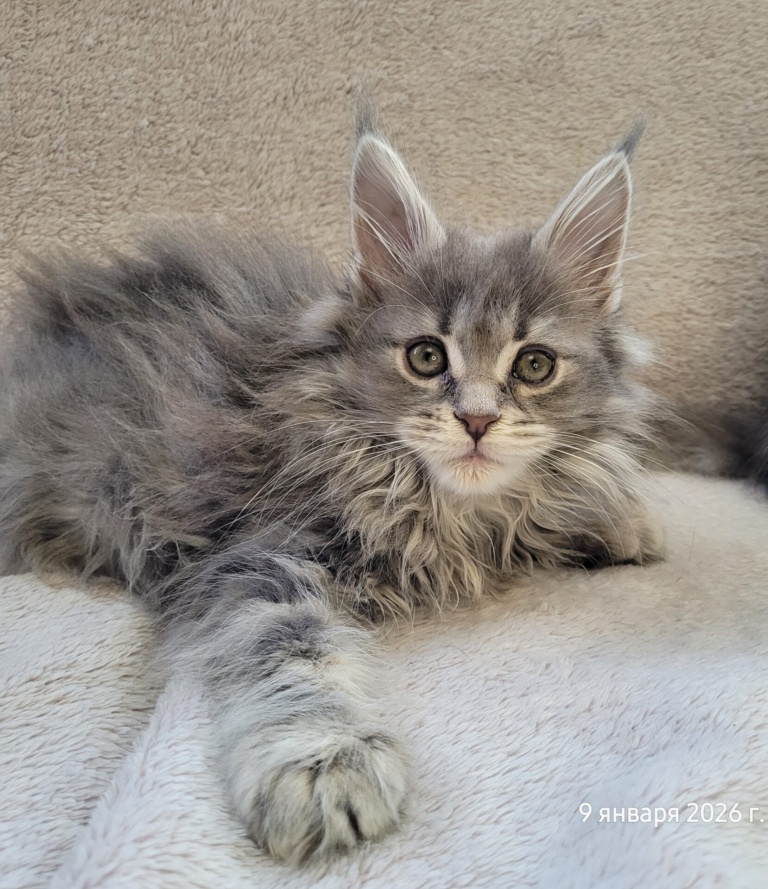
As close to the breed standard as possible. Has prospects for a show career and top grades.
Can only be confirmed by an adult cat's actual show results, not in a kitten.
Minor deviations from the standard that rule out top show grades.
Can produce excellent offspring. Applies to females only.
A "cat for the cushion", the family favourite. Usually cats with deviations from the standard and no show prospects.
Every bit as affectionate and devoted.
"A kitten's price is a way of choosing its future owner and of checking that they can not only buy the kitten but also give it the conditions it needs."
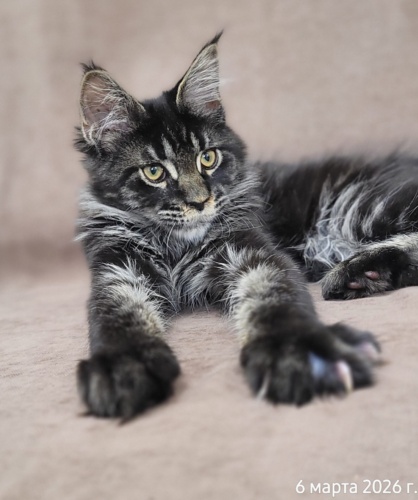
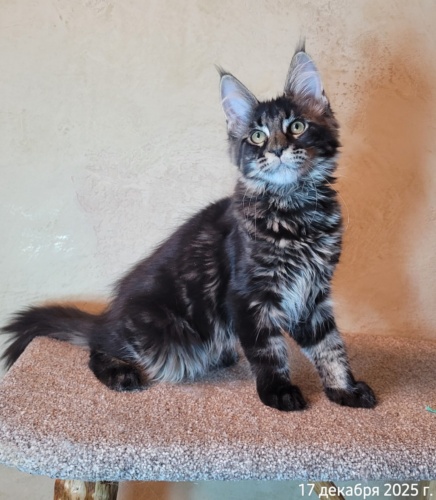
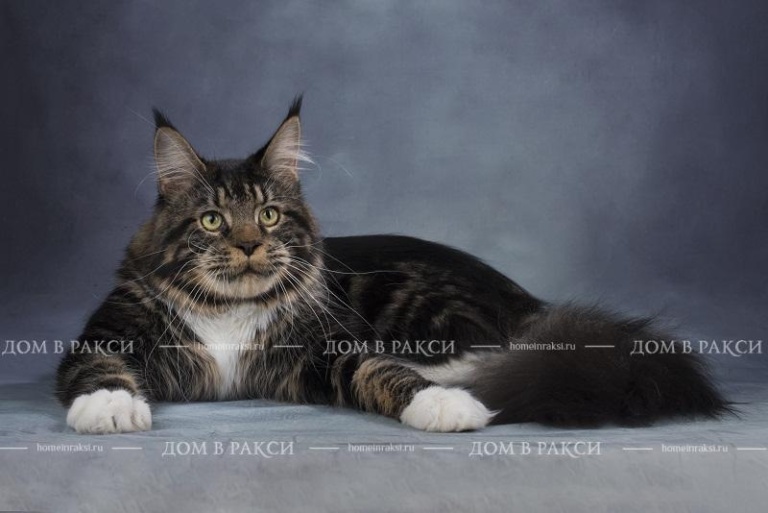
So you've decided: you're buying a kitten! A beautiful one, like the one in that TV advert, remember? A purebred with a passport, sorry, a pedigree, twelve generations deep. And healthy, of course, with a vet passport showing its vaccinations. You call the cattery's number from the advert, ask the price and… Well, it's not that you begrudge the money, but you can't quite see what it's for.
In every field of human activity, pricing has always puzzled people and probably always will, and the answers have never been simple. This article is one more attempt to answer those puzzled questions about how kittens are priced. It isn't a scientific article, just a practical one.
Let's start with the fact that you didn't go to a pet shop or a street pet market for your kitten, and didn't buy one in a metro underpass, which is a very sensible decision in itself. You came to a cattery. You came to professionals, people who know what to buy, give and do, when and how much, so that you can enjoy your pet's beauty, charm, affection and devotion.
You often hear that street cats rarely get ill and live long lives. Maybe so. Maybe, but:
People who breed cats (note: breed, not just multiply them) are called breeders, and in Russian the word comes from the same root as "factory". I think that's fair. A cattery really is a kind of factory, with its own production, its own labs, its own economics and accounts, and its own rules, called the international breed standard. Every breeder has to know the standard for their breed; only then is it breeding and not just multiplying. If you don't know the standard, you don't know your own kittens' faults or what needs improving. Even the most perfect cat has faults, so there is always room for selective work. Careful planning of matings, painstaking choice of breeding cats, close study of pedigrees, strengths and weaknesses, the choice of genetic lines: it all looks a lot like research in a factory lab.
If you think I've forgotten the point of this article, I haven't. In a nutshell, I've been describing one component of a kitten's price: the cattery's expertise and reputation. Don't be surprised by a component you can't touch, let alone measure. Market economics applies wherever there are prices, costs and expenses. You aren't surprised that Bosch products cost 20–40% more than similar products from other firms with the same specifications. That's the result of Bosch's long, flawless and highly professional work.
The next component is closely tied to the first and even follows from it, from the breeder's expertise. It is breeding quality. Breeding quality depends on phenotype and genotype.
Phenotype shows how well a cat matches the international breed standard. In terms of pricing, which is what we're talking about today, all cats can be roughly divided into three types: Show, Breed and Pet (described above under Kitten classes and price).
So a kitten's price depends on which class it belongs to. The breeder's honesty matters a great deal here, because it's the breeder who decides the class. And that ties straight back to the cattery's expertise and reputation. The circle is complete. If a breeder lacks expertise and gets the class wrong, or deceives buyers by overstating the class (and so the price), buyers will soon stop coming: word gets around.
Bear in mind, though, that when I called the division into three classes rough, I meant that honest mistakes in judging a cat's class are possible. Such mistakes are rare, and certainly not regular.
Genotype tells you how pure the kitten's pedigree is: who its ancestors were, which outside lines were brought in and in which generation. Genotype is a complex subject and beyond the scope of this article. The main point: the price also depends on the kitten's genotype, so it's worth reading the pedigree carefully when you buy, even if it won't tell a novice breeder much.
Rare colours deserve a separate mention. A rare colour, and even more so a new one, is the result of long, painstaking work: careful calculation and a bit of chance at the same time, luck combined with professional knowledge. Producing a rare colour is worth a lot.
The next component follows directly from all this: buying breeding cats for the cattery. After what we've said about breeding quality, I hope I don't need to argue much about how the cost of the parents affects the price of the kittens. Breeding cats are not cheap. And since the domestic market doesn't always satisfy experienced breeders, they often have to buy abroad, which naturally adds a lot to the cost (tickets, visas, hotels and so on).
Raising breeding cats (and kittens) is the next component. For a kitten to grow up healthy and strong, it needs proper nutrition. You can provide it in two ways: with professional cat food or with natural food.
For good growth our cats need both dry and canned food. Super-premium professional foods are well balanced and contain everything a cat needs. They help a kitten develop properly and evenly:
Super-premium food is expensive.
On top of food, cats need vitamins and supplements: queens during pregnancy and nursing, stud males during active periods, any cat during a moult or after giving birth, and cats recovering from illness.
Shows. Only there can you get an objective assessment of what you bought and raised, and only there can you judge your cats' breeding quality. Shows mean titles and awards, an important line in your cat's pedigree. Shows are also another expense and another component of a kitten's price: preparing the cat, vet certificates, the judging fee, the vet check. If the show is in another city or country, add a visa, train or plane tickets and a hotel.
Health is one of the main reasons you go to a cattery for a kitten rather than to a street pet market. It's the next component of the price. By health I mean several things. First, vaccinations. A kitten gets its first course (two shots) at 8–12 weeks and no earlier. Adult cats need vaccinating once a year. Second, regular vet care and check-ups. That covers routine procedures such as deworming and emergencies such as a caesarean during birth. Ultrasound scans of the kidneys and heart and blood tests for feline leukaemia virus (FeLV) and immunodeficiency virus (FIV) are common in a good cattery. Anyone who has had such procedures themselves knows what they cost. Health takes money.
Cattery equipment is a cost of its own. A good cattery has a lot of it, from toy mice and scratching posts to whole "housing complexes".
Even when a cattery has its own stud male, breeding goals often mean taking females to studs at other catteries. Mating costs are another component of a kitten's price.
Then there is advertising. A well-known cattery doesn't become well known overnight. Only after some time does word of a good cattery (or a bad one) spread by itself. Or rather, people spread it, people who have already dealt with that cattery, and they make up a good share of buyers. Most buyers, though, find a cattery through advertising. We are all children of our time, and in our time advertising drives trade. An expensive engine, I must say.
Answering puzzled questions is a thankless job. I've tried to list, very briefly, the main things that affect a kitten's price. You'll have noticed that the article doesn't give a single figure. That's deliberate: it wouldn't be right to quote numbers while talking about pricing in general.
Koshki-Info magazine, No. 1, 2006, by E. V. Kurchevskaya (translated from Russian)
One more important point. Buying a kitten is a one-off expense, but the kitten also has to be properly looked after. A buyer's ability to pay a fair price gives the breeder some assurance that the kitten will get good food and a good vet. Sometimes it's even a guarantee of sorts that the kitten won't end up on the street. Many breeders who care about their kittens are good judges of people, but they can't scan buyers to find the most deserving owner.