
What a reservation is, how big a deposit is normal, whether you get it back if you pull out, and why money should only change hands once the terms are in writing.
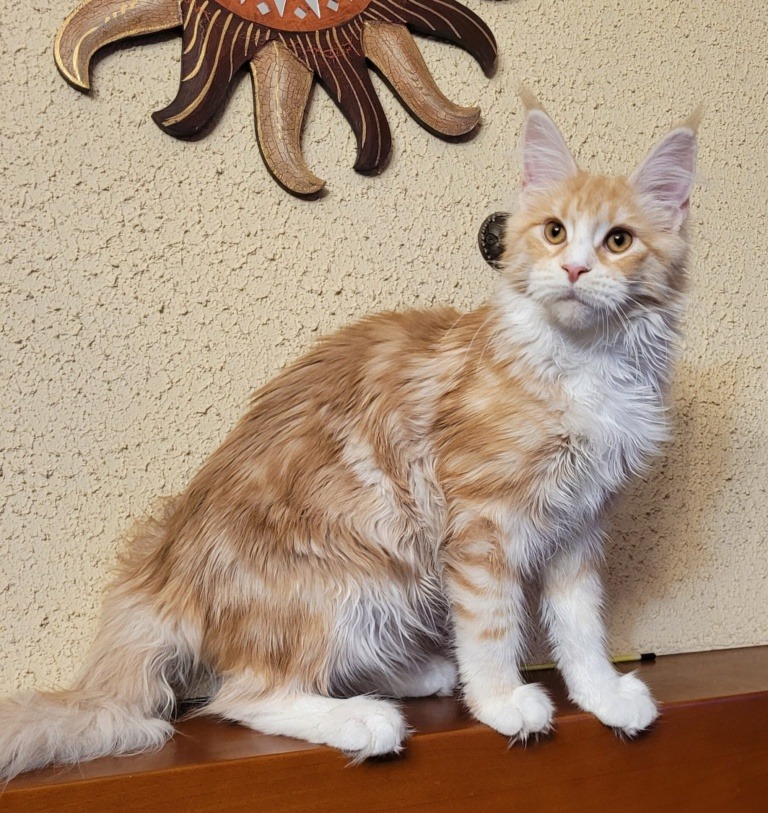
You've fallen for a kitten and the breeder asks for a deposit to reserve it. This is where buyers most often lose money, because nobody spelled out what exactly the payment means.
A reservation helps both sides. For the breeder, it shows you're serious. The kitten comes off the market and is no longer shown to other buyers, sometimes for two months. If the buyer changes their mind at the last minute, the kitten has to be sold all over again, and by then it's older and there's less interest in it.
For the buyer, a reservation guarantees that the kitten they chose stays theirs. At good catteries kittens are spoken for before they start to look impressive, and without a reservation there's nothing left to choose from.
A reservation isn't a purchase yet, though: it records your intentions, and the sale itself comes later.
The breeder shares photos and videos of the litter from the first weeks, but it's too early to choose then: until about a month old the kittens look much the same.
The real choice starts at around six to eight weeks, when colour, type and personality begin to show. By then the club has also inspected and registered the litter, and the kittens get their kitten cards (birth registration documents).
You pay the deposit once you've seen the kitten (in person or on a video call), received the parents' documents and agreed the terms.
Kittens move to their new homes at three months: by then a kitten has had two vaccinations and finished the quarantine after the second. So between reserving and collecting there are usually anything from a few weeks to six weeks.
There's no single figure. The deposit is usually part of the price, and the balance is paid when you collect the kitten.
Be wary of a demand to pay in full up front, especially when you're buying at a distance, and especially before the kitten has even been born or the litter registered.
There are also reservations "for a future litter", before the mating has even happened. Catteries with a waiting list do this, but then it comes down to how far you trust that particular person, and the amounts are usually token.
Everything below needs to be in writing, in your messages or in the contract. A verbal agreement isn't enough.
Write down the kitten's name or its label within the litter, sex, colour, date of birth, the parents' names and the kitten card number if there is one yet. Without this, a month later it may turn out that you each meant a different kitten.
Set out what the kitten costs, how much you're paying now, how much on collection and by what method, and whether the price includes anything besides the kitten itself: the kitten card, vet passport, starter food, delivery.
An approximate date will do, or a condition such as "at three months, after the second vaccination and quarantine". Also agree what happens if the timing slips, for example if the vet postpones a vaccination.
This is the most important point and the one most often forgotten. Cover both cases: if you change your mind and if the breeder does.
State the kitten's class and the obligations that go with it. For pet class that means neutering and no breeding rights. If you plan to breed, discuss it before you reserve: the price and terms will be different.
Pay the person named in the contract and listed as the breeder on the kitten card. A mismatch is typical when you're buying through a middleman.
That depends on what you agreed, which is exactly why it has to be in writing. All of these are normal practice:
A deposit that isn't refunded when the buyer pulls out is not a sign of bad faith, as long as that was written down in advance. What's wrong is when the terms were never discussed and only after you pull out do you learn the money won't come back.
Pressure to pay a deposit right now. "There's another buyer, decide today", "this price is only good until tomorrow". The point is to stop you having time to check the documents.
Refusing to put anything in writing. "Why do we need paperwork, we can trust each other." When money is changing hands, that's a reason to stop.
Refusing to show the kitten on a video call before you pay the deposit. Especially when you're buying from another city.
The same goes for payment details in a stranger's name, a reservation that doesn't name a specific kitten, and a request to pay "to a friend's card" or by some other opaque method.
The breeder sends photos and videos of your kitten, keeps you posted on vaccinations and weight, and answers your questions. Many catteries run a separate chat or post regular updates on the litter.
Meanwhile you get the house ready: a litter box at least 90 cm long, a scratching post at least a metre tall, wide shallow bowls, a carrier of the right size and, above all, cat-proof screens for the windows. An ordinary mosquito net won't hold a cat.
Ask, too, what the kittens are fed and what litter they use: buy both in advance, as neither should be changed in the first weeks.
If the breeder goes quiet for weeks after taking your deposit, that's a bad sign.
At handover you sign the sale contract and pay the balance. You then receive the kitten card, a vet passport recording both vaccinations and the parasite treatments, the contract and usually a supply of the food the kitten is used to.
Check that everything is there before you leave. Look the kitten over too: it should be lively, with clean eyes, nose and ears and a soft tummy. Run your fingers along the whole tail to feel for kinks, check the bite and count the toes.
The sale contract and the kitten's documents are covered in separate articles on the blog.
Home in Raksi Maine Coon cattery, St Petersburg. We work with a contract and show kittens on a video call before you reserve. Kittens | VK (in Russian).
 Waiting list for a litter: how waiting for a Maine Coon kitten works23 October 2026
 The kitten sale contract: the clauses worth checking20 October 2026