
How a kitten certificate differs from a pedigree, how to read a vet passport, what N/N means on a test, and how to check the documents with a five-minute call to the club.
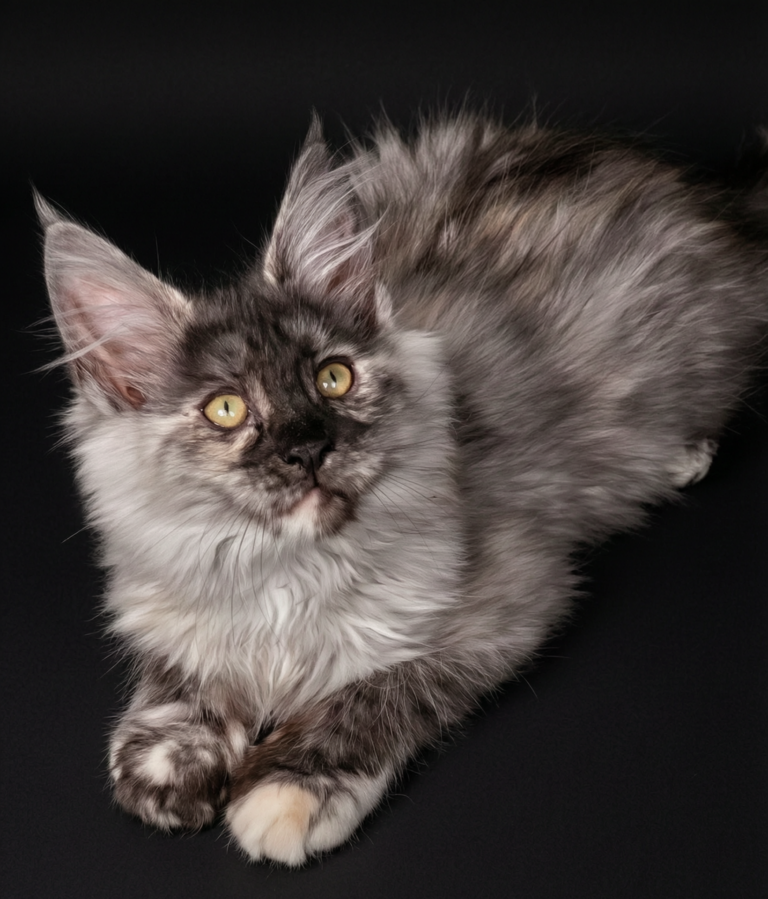
"Comes with papers": you'll see it in every other ad, and it means nothing until you've seen which papers. Below we take them one at a time: what each one is, what to check in it and how to make sure it's genuine.
This is the main document a kitten leaves the cattery with. In Russia it's usually called the metrika; its official name is the certificate of origin.
The club issues it after the litter has been registered: a club specialist visits or the kittens are brought in, and the specialist examines them and confirms that they're purebred, match the stated parents and are the colour recorded.
What it shows: the kitten's name with the cattery prefix, date of birth, sex, colour with its EMS code, the parents' names and numbers, the cattery name, the club's name and stamp, and the certificate number.
What to check:
A promise to "send the pedigree later" with no kitten certificate in your hands means one thing: the litter hasn't been registered. As far as the breed is concerned, that kitten is not a pedigree cat, whatever the ad says.
The kitten certificate is exchanged for a pedigree later, once the cat is older. This is done through the club, usually by the owner, and it's optional.
A pedigree lists the ancestors over several generations, usually four, sometimes more. It shows where the line comes from, the ancestors' titles and the catteries they came from.
You must have one if you plan to show or breed. For a pet, the kitten certificate is enough, but it's still worth exchanging it: it's free or inexpensive, and the document stays with the cat for life. The pedigree is issued on the basis of the kitten certificate, so without the certificate there's no way to get one.
This is where form most often stands in for substance. The passport should have the stickers from the vaccine vials stuck in, showing the vaccine name, batch number and date, signed or stamped by the vet. A handwritten "vaccinated" without a sticker proves nothing.
By the time the kitten moves at 12–14 weeks, there are two entries: the first vaccination at 8–9 weeks and the booster three to four weeks later. Plus dated entries for worm and flea treatment. The sticker with the microchip number goes in the passport too, if the cat is chipped.
What to check: the dates are in the right order and fit the kitten's age, the stickers are there, and the chip number matches the other documents.
An identification tattoo goes in the ear or on the belly: it's the cattery's code in letters and numbers, plus the cat's own number. A microchip is a tiny chip under the skin at the scruff of the neck, and it's read with a scanner.
The number must match what's on the kitten certificate and in the vet passport. It's the only way to confirm that this is the very animal the documents were issued for. Ask to see the tattoo in the ear; if there's a chip, any vet clinic will read it in a minute.
There won't be any for the kitten itself, and that's normal: it's the breeding cats that are tested.
Maine Coons are checked for four things: HCM (hypertrophic cardiomyopathy, a test for the MyBPC3 mutation), PKdef (pyruvate kinase deficiency), SMA (spinal muscular atrophy) and hip dysplasia, though that last one is an X-ray, not a DNA test.
How to read the result. "N/N" means the cat is clear of that mutation. "N/HCM" means a carrier: the cat itself may stay healthy all its life, but passes the mutation on to half its offspring, so it's only mated with a clear partner.
A heart scan (echocardiogram) report comes with the HCM DNA test as well, because the test doesn't cover every case of the disease. Adult breeding cats have a scan every year.
The format: a lab report with a reference number, the cat's name and the date. Ask for the actual report. "All our cats are healthy, we keep an eye on it" is worth precisely nothing.
This is the document that protects you, and the only one you can read before signing.
What it should include: details of both parties, a description of the cat with its certificate and tattoo numbers, the kitten's class, the price and payment terms including the deposit, the breeder's health guarantees and how long they last, what happens if an infection is found in the first days, neutering terms for pet class, and a clause on returning the cat to the cattery if it doesn't work out for you.
Look specifically for that last clause: a decent breeder won't let one of their cats end up on the street or in a "free to a good home" ad.
Everything above can be faked. Checking is simple and free.
Take the club's name from the kitten certificate and call it yourself, finding the number with a search engine rather than getting it from the seller. Give the cattery's name, the litter's date of birth, the kitten's sex and colour and the parents' names. The club will tell you whether a registered litter exists. Check the cattery's address while you're at it: that rules out someone trading under another breeder's registered name.
The cattery's own registration is checked the same way, by its WCF, FIFe or TICA number, which a breeder will give you without stumbling.
A pedigree doesn't make a cat better, more affectionate or bigger. It makes it verifiable: you know who its ancestors were, what illnesses they had and what to expect. Everything else in an ad is just the seller's word, and words don't get tested for HCM.
Our breeding cats, their pedigrees and test results are open to everyone on the Females and Males pages, so you can look before you visit. Our Maine Coon kittens are on the Kittens page, and kitten classes are explained in Kitten classes.
Home in Raksi Maine Coon cattery, St Petersburg. Ask questions about documents in our VK group (in Russian).
 Waiting list for a litter: how waiting for a Maine Coon kitten works23 October 2026
 Reserving a Maine Coon kitten: how the deposit works and what to put in writing22 October 2026