
Real figures for the breed, what shortens life the most, which check-ups to have every year, and why weight matters more than any vitamins.
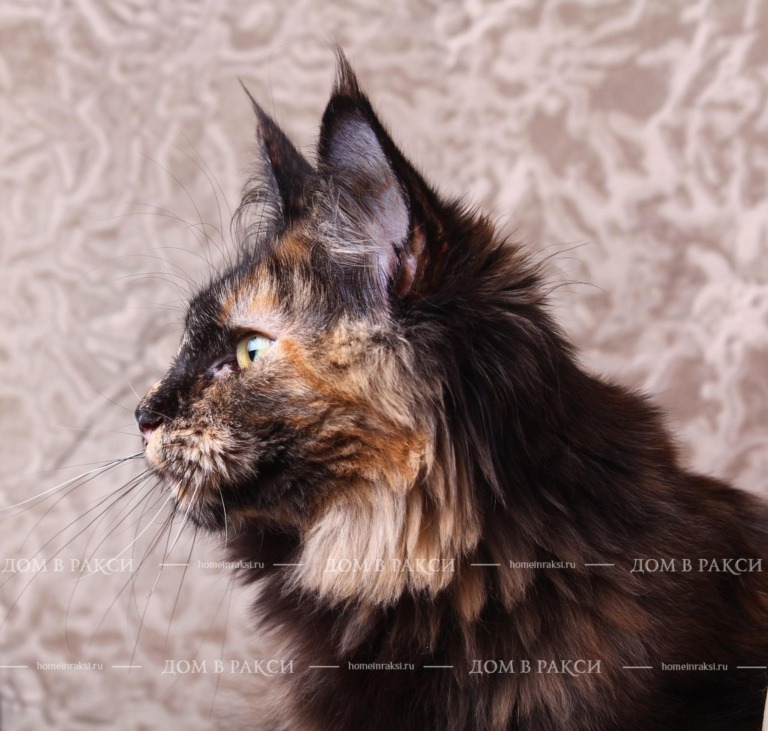
A Maine Coon lives twelve to sixteen years. That four-year spread is comparable to an entire childhood, and it depends almost entirely on things in the owner's hands.
The order isn't what people expect.
Excess weight. A cat weighing twelve kilos instead of nine puts strain on his joints, heart and liver. Obesity in cats leads to diabetes and liver disease, and it's the most common man-made cause of early problems.
Free roaming. A cat who wanders on his own lives noticeably shorter, on average, than an indoor cat: cars, dogs, infections from street cats, poisoning. A Maine Coon is big and conspicuous, and outdoors that's no advantage.
Open windows. A mosquito net won't hold a cat; it falls out along with him. You need cat-proof screens on a metal frame. This isn't overcaution: any vet clinic will confirm it in spring.
Missed vaccinations in adult cats. Every cat gets the primary course, but many owners forget the yearly booster.
Maine Coons have their own diseases, and breeders keep track of them. Hypertrophic cardiomyopathy (HCM) is checked with a DNA test for the MyBPC3 mutation and a yearly heart scan, because the test doesn't catch every case. Breeding cats are also tested for pyruvate kinase deficiency and spinal muscular atrophy, and their joints are X-rayed for dysplasia.
For a buyer, this comes down to one thing: ask for the parents' test results before you buy. A breeder who tests will show them without being asked. We test our breeding cats and post the results on each cat's page, so you can see them before you visit.
An adult cat should have a heart scan once a year from about the age of three. It's the one check-up really worth putting in the calendar.
Keep his weight normal: you can feel the ribs under the coat without pressing, and there's a visible waist from above. After neutering, cut the portion straight away, not once the weight starts to show.
Make sure he drinks plenty: a water fountain and a bowl well away from the food do more for the kidneys than any supplement.
Once a year: a check-up, vaccination and a heart scan. After seven, add blood tests: age-related kidney problems can be caught long before any symptoms.
And if something about your cat's behaviour changes, write first to the breeder you got him from: they know the line and what his relatives suffered from. With that information, your visit to the vet will be more useful.
The difference between twelve years and sixteen comes down to boring things: the right portion, screens on the windows, a yearly heart scan. Nothing heroic; you just have to keep doing it, year after year, without a break.
You can see what our cats look like in later life on the Veterans page. Our Maine Coon kittens are on the Kittens page, and health write-ups are in our VK group (in Russian).
Home in Raksi Maine Coon cattery, St Petersburg.
 5 Maine Coon myths that make owners ruin their cats' health24 October 2026
 Allergic to Maine Coons? Whether hypoallergenic cats exist and how to test your reaction14 October 2026