
When the teeth change, why the bite is checked at shows, where bad breath comes from and how to brush the teeth of a cat who doesn't want you to.
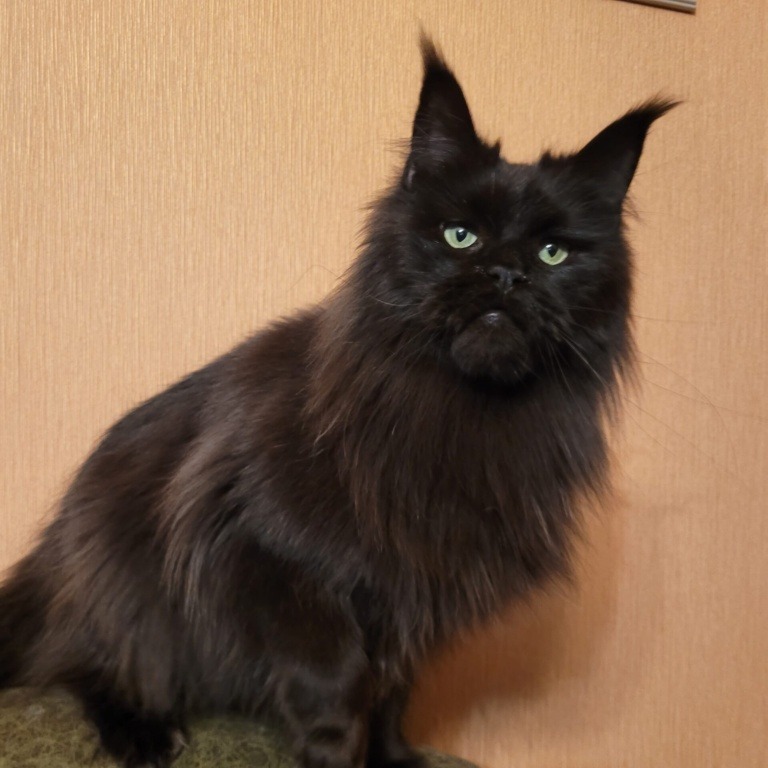
People think about their cat's teeth twice: when the kitten chews their hands, and when the grown cat gets a diagnosis that could have been avoided.
About five years pass between the two, and a lot in that time depends on the owner.
A kitten's baby teeth come through in the second to fourth week, twenty-six of them in all. An adult cat has thirty permanent teeth: twelve incisors, four canines, ten premolars and four molars.
The teeth change from about three and a half to seven months. The incisors go first, then the canines, and the premolars and molars last.
During this time the kitten's gums itch, and he chews everything in sight: cables, furniture corners, hands. Lost teeth sometimes turn up on the floor or in the bowl, but more often the kitten just swallows them, and that's safe. A little blood on a toy is normal at this stage too. His appetite may dip for a while, and he'll be happier eating soft food.
Give him things he's allowed to chew: hard toys, special chew sticks. You'll save your cables too.
There's one situation you mustn't miss: the baby tooth hasn't fallen out yet, but the permanent one has already grown in next to it. It happens most often with the canines, and then you can see two canines in one spot.
It can't be left like that. Food collects between the teeth, the gum becomes inflamed, and the permanent tooth grows at the wrong angle and spoils the bite.
If a baby tooth still hasn't come out by seven or eight months, first write to the breeder you got the kitten from, who will know whether this has happened in the family and how it was dealt with. Then go to the vet. A retained baby tooth is removed, and it's a quick procedure.
A Maine Coon's bite should be even: the upper and lower incisors meet without any shift, and the jaws close symmetrically.
The judge in the ring checks this by hand, and a crooked jaw counts as a serious fault. It isn't only about looks. When the teeth don't meet properly they wear unevenly, and some of them take no part in chewing and build up tartar faster.
Large breeds can also have an overshot or undershot bite linked to a massive jaw. A Coon's muzzle is square and strong, and slight deviations do occur, but they shouldn't affect the way the incisors meet.
Checking the bite yourself is easy: gently lift the lip and look at the incisors from the front. If there's a noticeable sideways shift or a gap between the rows, talk to the breeder about it.
Dental problems are among the most common and most underestimated health troubles in pet cats. It all starts with soft plaque, which mineralises and turns into tartar. Tartar presses on the gum, the gum becomes inflamed, and gingivitis sets in. Then the inflammation goes deeper, the ligaments that hold the tooth break down, and the tooth loses its support and falls out.
All of this happens slowly and with almost no symptoms, and cats don't show pain: they just start chewing on one side.
What to watch for:
If you notice any of these, take the cat to the vet: tartar is removed with ultrasound, and the sooner it's done, the smaller the procedure. Write to the breeder too, who knows the bloodline and can tell you whether relatives have had gum problems.
Brushing works best, and it's also the least popular. Start while the cat is a kitten, and take it gradually. At first just touch his lips and gums with your finger while you stroke him. After a few days add a piece of gauze or a finger brush, then a no-rinse cat toothpaste (human toothpaste won't do, as it mustn't be swallowed). Bring in the toothbrush last.
Two or three times a week is enough. Keep the sessions short, a few teeth at a time and without force: a cat who has been held down won't let you near his mouth again.
Chew toys help too, as does large dry kibble that has to be crunched rather than swallowed whole. Special dental treats and water additives are useful extras, but they won't replace brushing.
Bones, on the other hand, which supposedly let a cat "clean his teeth", don't help: they break teeth and injure the oesophagus.
Once a year, when you go in for the vaccination, ask the vet to check the cat's mouth at the same time.
A full dental treatment for a cat is done under general anaesthetic, and for a large animal any anaesthetic carries its own risk. Three short brushing sessions a week seem tedious until you compare them with having teeth taken out.
We deal with health questions about our kittens personally, even years after they've left us. You can see our kittens on the Kittens page, and general care advice is collected in our Care guide.
Home in Raksi Maine Coon cattery, St Petersburg. We post care articles in our VK group (in Russian).
 5 Maine Coon myths that make owners ruin their cats' health24 October 2026
 Allergic to Maine Coons? Whether hypoallergenic cats exist and how to test your reaction14 October 2026